A Place for God
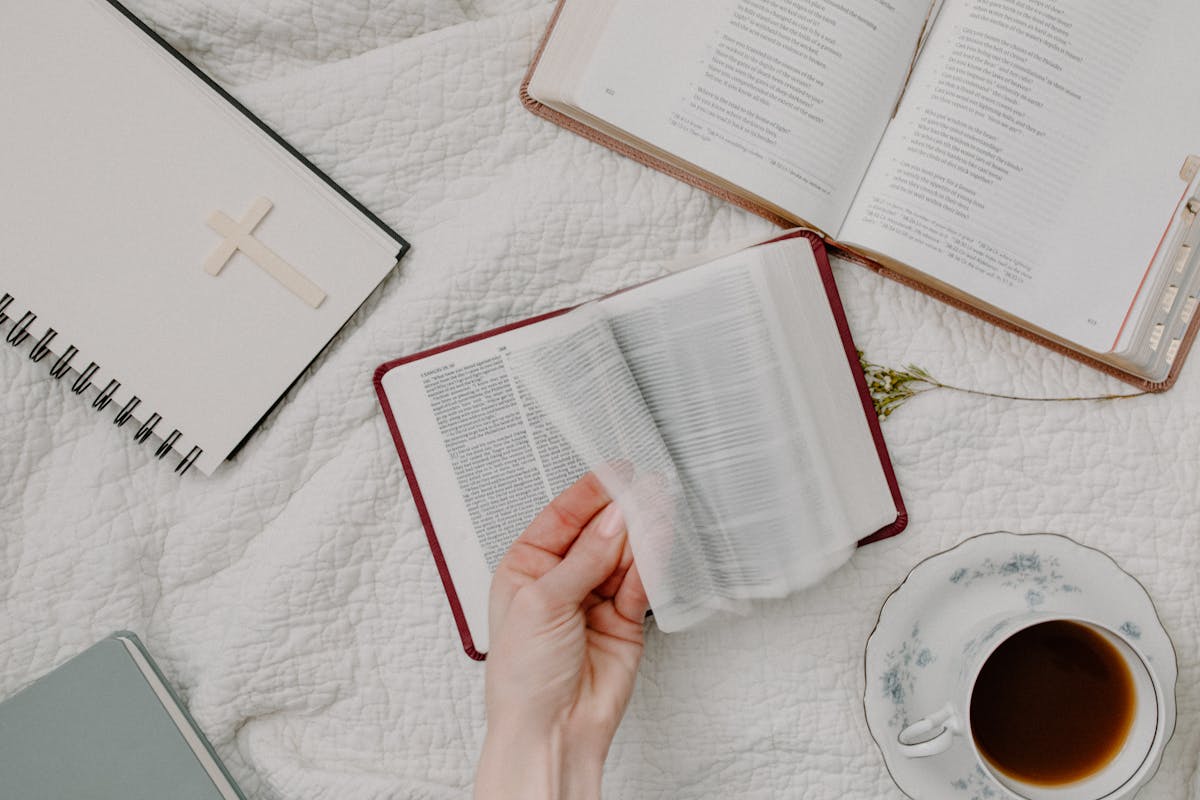 Photo: Pexels
Yesterday we looked at making time for God. But time alone isn’t enough — we also need a place. Not a cathedral or a mountaintop retreat, but somewhere that belongs to you and God.
Mark 1:35 tells us that Jesus “departed to a solitary place” to pray. The Greek word here — erēmos — means wilderness, a deserted spot. Jesus didn’t just pray wherever He happened to be standing. He deliberately went somewhere. He had places He returned to again and again — a mountainside, a garden, a quiet stretch of shoreline. These weren’t random. They were His meeting places with the Father.
There’s something powerful about having a designated space for Bible study and prayer. It’s not that God can only meet you in one location — He’s everywhere. But you are not everywhere. You’re a physical person living in a physical world, and your environment shapes your focus. A particular chair, a corner of the porch, a desk with your Bible already open — these become sacred not because the space is holy, but because the encounters there are.
This pattern goes all the way back to Eden. Genesis 3:8 describes God walking in the garden “in the cool of the day,” coming to meet Adam and Eve. The garden was their meeting place — until sin entered and the meeting was broken. Ever since, God has been inviting us back into that kind of intimate, unhurried communion. Having a place set apart for Him is one way we say yes to that invitation.
The key is removing distractions. Luke 5:16 says Jesus “withdrew to the wilderness and prayed” — and the Greek tense here is imperfect, meaning He did this habitually. He withdrew from noise, from crowds, from demands. If Jesus needed distance from distractions to commune with the Father, what makes us think we can manage with a phone buzzing and notifications stacking up?
Ellen White writes in Steps to Christ: “We should choose a retired spot in the grove or in the garden where we can be alone with God. There is a place where we can meet God, and He will meet us, as surely as He met the patriarchs and prophets of old.” She understood that place matters — not as a ritual requirement, but as a practical aid to devotion.
So here’s today’s challenge: identify your place. It doesn’t need to be perfect. A corner of the living room, a kitchen table before the house wakes up, a park bench on your lunch break. Claim it. Make it yours. Bring your Bible there tomorrow morning and see if the consistency of place doesn’t deepen the consistency of your communion with God.
—
Ezra